
Electric Trucks: Exploring the Future of Heavy-Duty Transportation
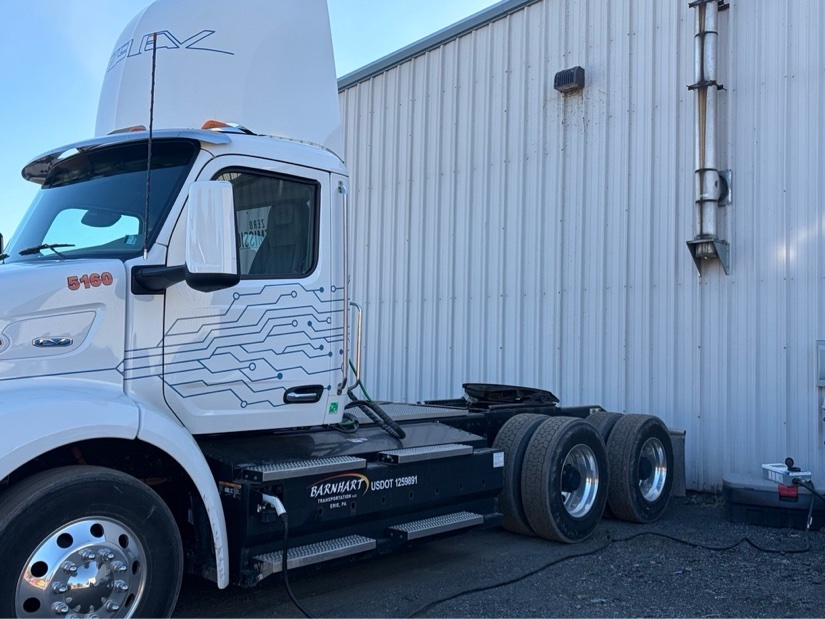
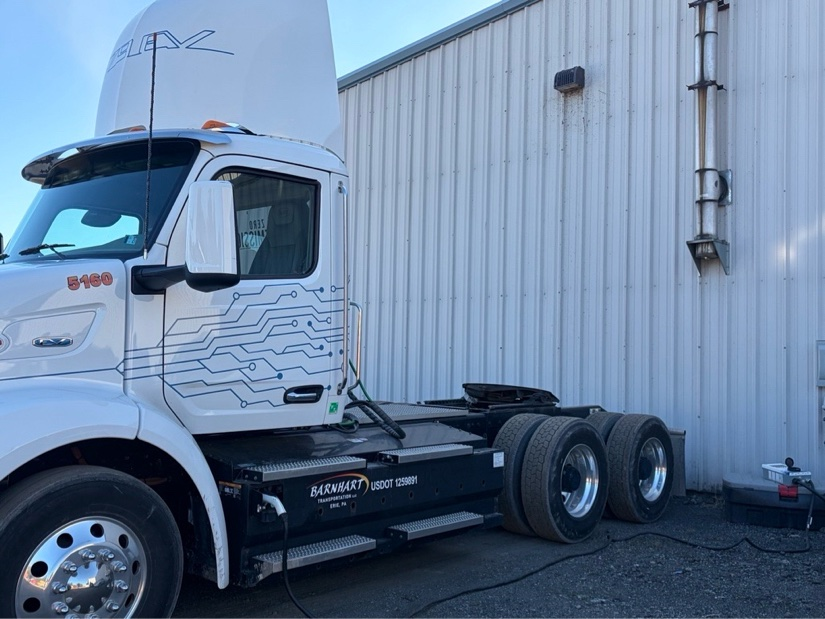
The trucking industry is constantly evolving as new technologies create opportunities to improve efficiency, reduce operating costs and enhance the driving experience. One technology that is gaining increasing attention is the electric truck. At Barnhart Transportation, we recently added our first electric truck to our fleet, giving us an opportunity to explore the technology firsthand and better understand where electric trucks may fit into the future of heavy-duty transportation While electric trucks are still an emerging technology in many areas of the trucking industry, advancements in battery technology, vehicle performance and charging infrastructure are creating new opportunities for fleets to consider.
Can Electric Trucks Really Handle Heavy-Duty Work?
One of the first questions that comes to mind when discussing electric trucks is whether they can deliver the power needed for heavy-duty transportation. Modern electric trucks can produce significant horsepower and torque. For example, Barnhart’s electric truck can deliver up to 605 horsepower, putting it in the same range as some of the highest-output engines found in traditional diesel Class 8 trucks. Horsepower measures the rate at which work can be performed, but it does not tell the entire story when comparing electric and diesel powertrains. Electric motors deliver torque differently than internal combustion engines, providing strong torque quickly and allowing for smooth, responsive power delivery. This can be particularly useful in applications involving frequent starts and stops or routes where quick, consistent power is beneficial.
The Potential for Cost Savings
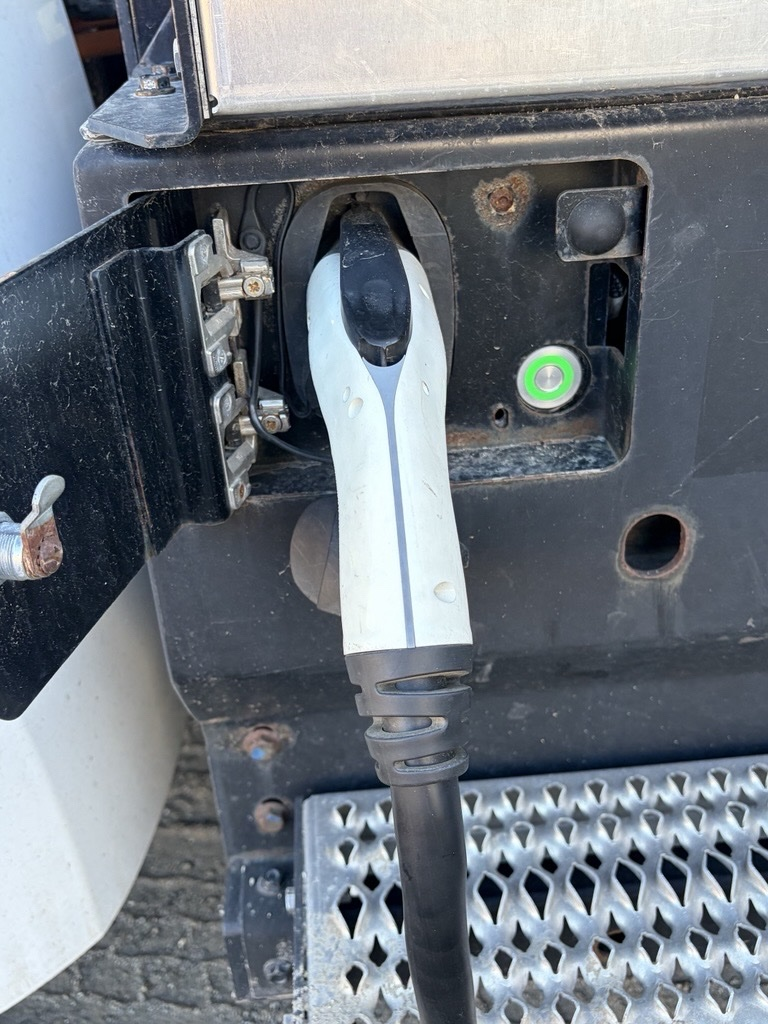
One of the biggest reasons fleets are exploring electric trucks is the potential to reduce operating costs. Fuel is a significant expense in trucking, and electricity can provide an alternative to diesel. The actual cost difference depends on factors such as electricity rates, diesel prices, charging infrastructure, route length and how the vehicle is used. However, fleets with access to their own charging infrastructure may have additional opportunities to manage and better predict their energy costs. Maintenance is another area where electric trucks may offer potential savings. Electric powertrains generally have fewer moving components than traditional diesel powertrains. They do not require some of the routine maintenance associated with internal combustion engines, such as engine oil and filter changes. They also eliminate certain diesel-specific components and maintenance associated with exhaust aftertreatment systems. Another potential benefit comes from regenerative braking. Rather than relying solely on conventional friction brakes to slow the vehicle, regenerative braking allows the electric motor to help slow the truck while recovering some energy and returning it to the battery. Taken together, energy costs, maintenance requirements and brake wear are all factors fleets can consider when evaluating the long-term operating costs of electric trucks.
Efficiency Beyond the Powertrain
Electric trucks are also designed with efficiency in mind beyond the electric motor itself. Aerodynamic improvements can help reduce energy consumption by allowing the vehicle to move through the air more efficiently. At the same time, truck manufacturers are working to incorporate these improvements without sacrificing the ground clearance and functionality needed for real-world transportation applications. Route planning is also an important part of operating an electric truck efficiently. Range and charging requirements are different from those of a diesel vehicle, electric trucks may be particularly well suited for certain regional, local or predictable routes. As charging infrastructure continues to expand, the number of applications where electric trucks can be considered may also increase.
Looking Toward the Future
Electric trucks are still developing, and there is no single solution that will fit every trucking application. Factors such as route length, freight requirements, charging availability, energy costs and vehicle utilization all play a role in determining where electric trucks make sense. For Barnhart Transportation, adding our first electric truck is an opportunity to learn, gain firsthand experience and explore what these advancements could mean for the future of our fleet. Barnhart will continue exploring innovative technologies while maintaining a diverse fleet that includes both electric and diesel trucks. By evaluating new equipment and technologies, we can continue looking for ways to improve efficiency, support our drivers and provide reliable transportation solutions for our customers. The future of trucking is continuing to take shape, and electric vehicles are one of the technologies helping drive that evolution.